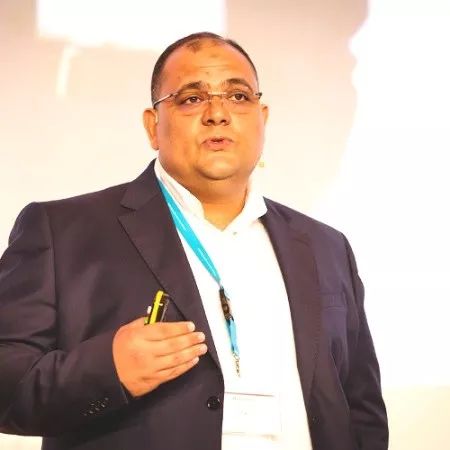
Mohamed TEMSAMANI
Director Revenue Management
Inwi
RAFM must evolve from protecting revenue to creating business value. The real opportunity lies in moving from reactive detection to predictive intelligence-leveraging Al, GenAl, and advanced analytics to anticipate fraud and revenue leakage before they occur, while turning RAFM insights into strategic business decisions.

Eric Ndega
Group Revenue Assurance & Business Intelligence Specialist
Liquid Intelligent Technologies
RAFM must evolve from reactive detection to predictive assurance. AI‑driven analytics empowers operators to anticipate risks before they materialize. This shift transforms assurance into a growth enabler, not just a safeguard. Over time; I have learnt that assurance is most powerful when it shifts from plugging leaks to building resilience, turning risk management into a foundation for trust and growth.
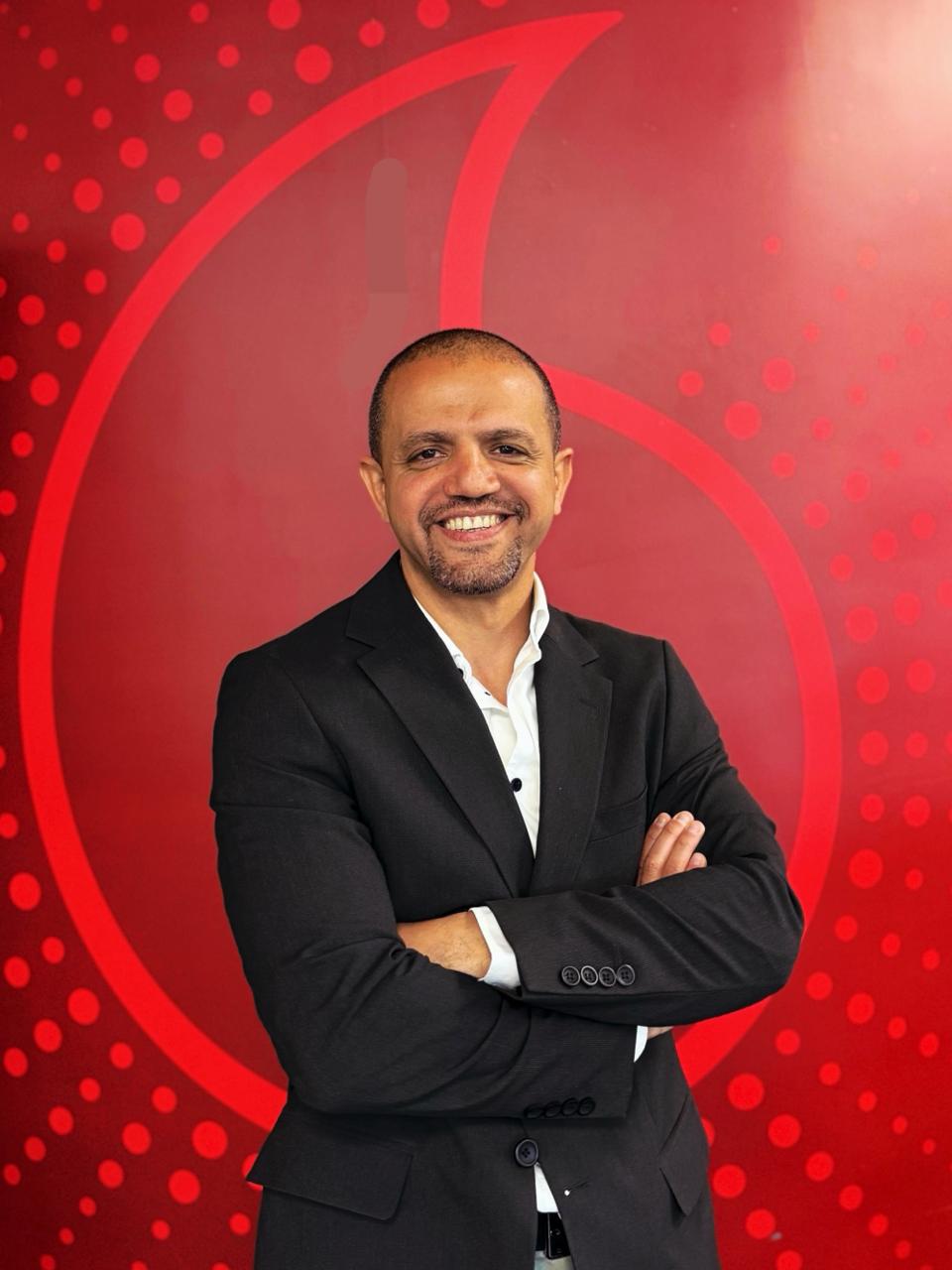
Mahmoud Farouq
Anti-Fraud & Investigations Sr. Manager
Vodafone Egypt
One of the biggest challenges facing RAFM today is that fraud is evolving faster than traditional controls can keep pace. As Al-powered attacks, loT, eSIMs, digital ecosystems, and converged services continue to expand the threat landscape, Our Fraud Prevention Strategy depends on centralized intelligence across markets, privacy-compliant data sharing, and Al-driven detection, while enabling fraud teams to respond quickly and effectively.

Mphumzeni Lukhele
Chief Internal Audit and Forensics Services Officer
MTN Eswatini
The future of RAFM lies in moving from detection to prediction. AI and advanced analytics are enabling us to identify risks before they materialize, allowing assurance teams to become strategic business partners rather than retrospective reviewers. RAFM can no longer operate as a siloed control function. The biggest opportunity is integrating revenue assurance, fraud management, risk, and audit into a unified business assurance framework that protects value while enabling growth.
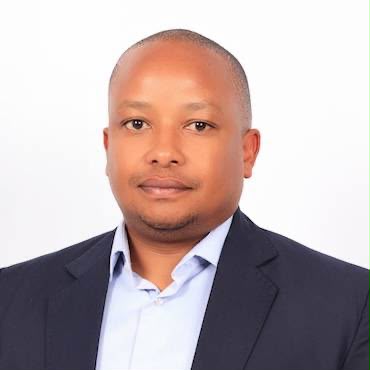
Msimisi Fakudze
Senior Manager - Fraud Management
MTN South Africa
I believe there is a great opportunity for RAFM to move beyond its traditional roles of revenue assurance and fraud detection and instead become the intelligence layer that identifies and protects areas where value may be at risk. I see every key transaction benefiting from a trust framework-a set of processes and tools designed to ensure security and accuracy across the value chain. This framework would help validate several critical aspects, including:Customer authenticity,Transaction legitimacy,Charging accuracy,Channel integrity,Value realization.

Elvis Mushaukwa
Revenue Assurance & Fraud Specialist
Zamtel
One lesson my experience has taught me is that revenue leakage rarely exists in isolation. What appears to be a billing issue often points to wider gaps in processes, systems, controls or commercial decisions. This is why the shift from Revenue Assurance to Business Assurance matters. The focus must move from asking, “Are we capturing all the revenue we should?” to “Are we protecting value across the entire business?” That evolution positions assurance to provide broader business insight, strengthen decision-making and prevent value loss before it occurs.

Mieraf Tesfahun
Executive Head of Fraud Management
Safaricom Ethiopia
Fraud and revenue risks no longer exist in silos, so our defenses shouldn’t either. Stronger collaboration and responsible intelligence sharing across functions, operators, and borders, while respecting data privacy and regulatory requirements, can help us identify emerging risks earlier and strengthen the telecom and fintech ecosystem.

Linda Christine
Manager, Revenue Assurance
Telkom Kenya Ltd
The biggest opportunity for RAFM is to become more predictive by using data and analytics to spot risks early, anticipate leakage and help the business protect value.

Ibrahim Abdalla
Senior Manager Revenue Assurance and Fraud Management
MTN Uganda
The industry needs to move beyond siloed assurance and fraud controls towards a more integrated, risk-based approach that identifies revenue leakage and fraud proactively across the entire customer and technology lifecycle.